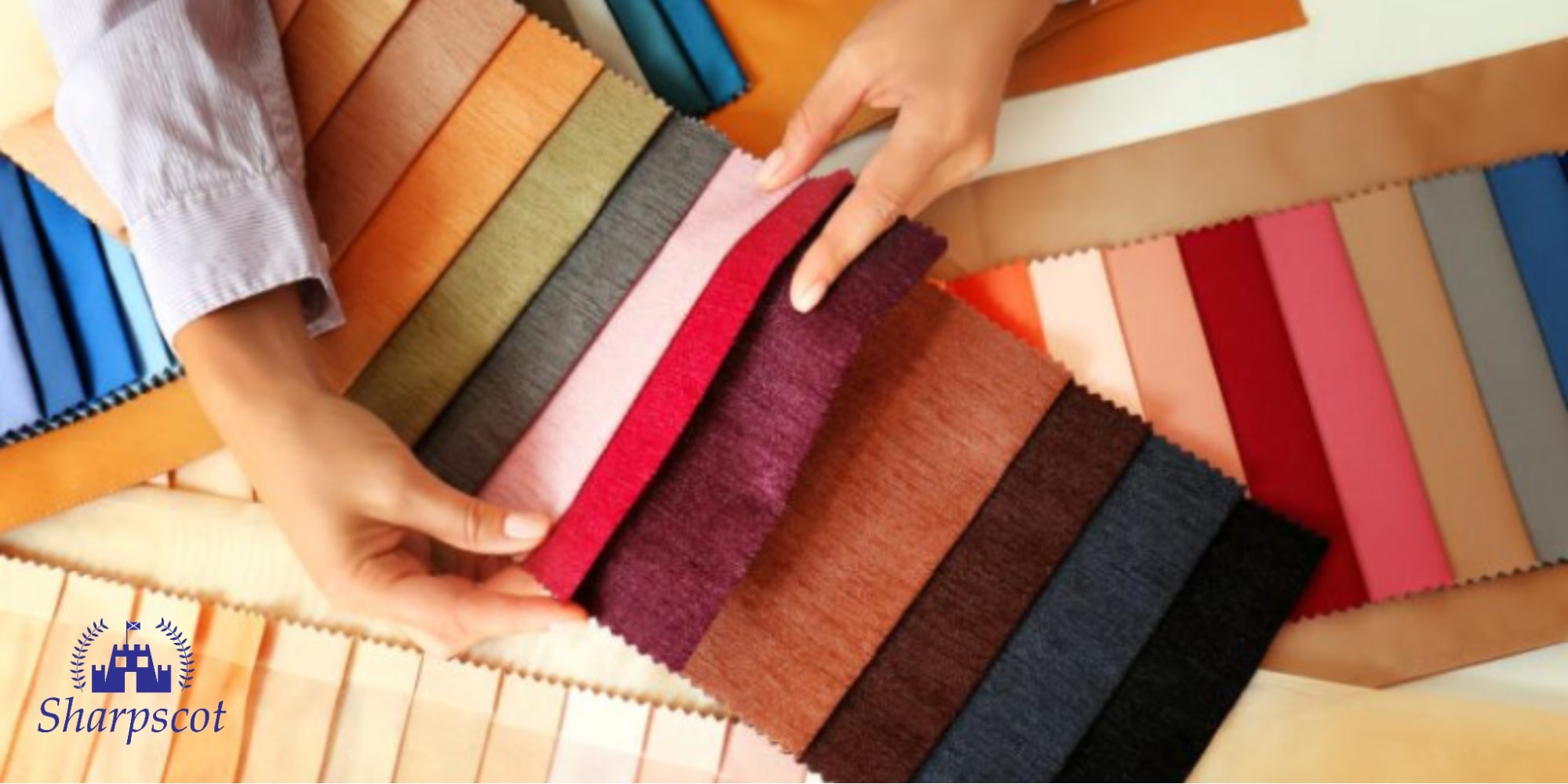
The process of selecting a fabric by the metre can be seen as a creative process, in which a flat length transforms into something moving. This could be the fluid shape or elegant drape of an elegant dress. But, the process from bolt to final form is not without risks when the requirements for wearables and windows diverge sharply. This guide moves beyond basic fibre content to look at the nuanced, often overlooked aspects that differentiate a successful project from one that fails. We'll explore the tactile science of fabrics, local shopping knowledge from the West Midlands as well as the vital conversations you must have both with the material and maker. Understanding these layers will help ensure that the chosen fabric is ideal for their intention behind them.
Ten Things You Need to Be aware of. The Top 10 List:
1. The Drape Dichotomy. Dresses require Kinetics while curtains require architectural design.
The main difference is in the required movement. Curtain fabric needs to possess "a memory of architecture" and fall in graceful folds. Fabrics for dresses must exhibit "kinetic beauty" and move with the body. They should be able to recover from stretching and shrinkage without wrinkling. When shopping for fabric, do not only feel the fabric, crush a corner with your fist and keep it in place for 10 seconds. A good curtain fabric should be released slowly and keep the ghost of the crumple.
2. The Light Interrogation: How Your Fabric Metres Will Live in the light of illumination.
It is a critical and personal test. You shouldn't buy curtains with fabric by the metre unless you've looked at a huge sample (at minimum A3) placed on the window for an entire day. Be aware of how sunlight in the morning alters the colour of the fabric, how midday light reveals the weave's true texture, and what it appears like in evening artificial light. For dress fabric, hold the bolt with both fluorescent shop lights and, if it is possible, step outside to natural lighting. Colors that appear bright indoors may appear dull or duller in daylight.
3. The Selvedge Decoder: Unlocking Hidden Fabric Intelligence
The tightly woven edge of the fabric bolt is a data strip. Selvedge printing is normal for curtains and upholstery fabric. It includes information such as the name of the manufacturer, collection, and important fire retardancy certificates (look at the BS5867-2). For dress fabric selvedges reveal the finishing process; a smooth, dense edge indicates high-quality milling, however a rough or slubbed edge may indicate a rustic, potentially unstable cloth. An experienced assistant at the Lichfield boutique can literally look at the selvedge for you in detail, describing its history.
4. The Shrinkage Sovereignty: The Pre-Washing of the Body as an Un-Negotiable Ritual.
This is the un-sexy basis of professional outcomes. To care for the dress fabric purchased by the metre, excluding wools and silks it is important to wash the fabric ahead of time and then press the fabric exactly as you want to complete the dress. This "sanctifies" the measurement, allowing for any shrinkage to take place before even a single cut can be made. Curtain fabric is a different procedure differs. You must include professional cleaning methods. Inquire your curtain maker to build in "fullness" and header allowances to allow for little shrinkage.
5. The Pattern Match Calculus The Hidden Metreage Multiplier
A striking pattern can double the required metreage If you don't pay attention to. Curtains and dresses must be calculated based not only on length but as well on the repeat of the pattern. Panels for a pair custom-made curtains need to be cut to fit the pattern horizontally once the panels are closed. This will waste fabric every drop. If you want to put an elaborate floral design at the middle of the bodice of a dress, you need to cut a precise cut that can add up one-half of a foot. Birmingham's trade stores will perform this calculation for you. smaller Walsall shops might assume that you know it.
6. The Acoustic and Thermal Layer: Curtain Fabric as Environmental Mediator.
Selecting curtain fabrics by the metre could be a good choice for the setting. The heavy velvets and triple-weaved wools are a thermal mass that protects against cold and heat, as well as being dampeners of sound to soften the echo of rooms. A lightweight voile offers only light diffusion. Fabrics for dress aren't concerned with this particular layer and instead focus on the micro-climates of each individual (breathability and wicking). Ask for the fabric's 'thermal mass or 'acoustic density when you shop at Birmingham's fabric warehouses that specialize in specialty fabrics. The terms will be used by hotel and theatre workers, but are perfect for the Victorian bay.
7. Local Shop Specialism Spectrum. Where to find fabric intelligence.
The West Midlands is a great location to begin your search. If you're in search of a complex dressmaking fabric (silks or technical jerseys), look to Lichfield independents. The staff may be garment makers themselves. Birmingham's markets and warehouses cater to tradesmen, offering weight, volume as well as technical specifications for curtain and upholstery fabrics. Walsall shops have a wide selection of domestics, with a particular focus on quality and basic dress cottons. If you are trying to purchase delicate silk at a Walsall value shop or a heavy-duty upholstery velvet in a Lichfield dress-focus boutique is not a good match between expectations and stock.
8. The "Railroading Revelation", A secret of curtain makers for seamless widening.
For wide windows, the traditional method for joining vertical panels results in visible seams. Railroading, which involves fabric that has patterns parallel to the selvedges, allows you to determine the length and wideness of your curtains from the fabric. This results in seamless curtains for any width, that includes the fabric length (often three meters). The majority of patterns are not made to work in this way. The first thing you ask yourself when you look at a huge pattern for curtains made to measure in Birmingham should be "Can this be railed?" It will eliminate vertical seams, but will require more precise creating.
9. The Handle Versus Drape Paradox in Dress Fabric.
The handle is how you feel the fabric when you manipulate it. "Drape" is how the fabric falls when it is pressed. Both are distinct. Crisp taffetas have a lively drape but have a stiff and rigid handle. The heavy silk taffeta is a slippery drape but a slick handle. Ask a shop assistant to drape a length of fabric over the shelf or on your own arm. A fabric that feels great in your hands (good drape) could also fall badly. Birmingham market stalls, which aren't able to unwind your bolt, can be dangerous to dressmaking.
10. The Maker's Code: Your First conversation prior to buying one metric.
When you are considering purchasing material by the metre to use for an important project, you should have a preliminary meeting with your prospective maker. A curtain maker is able to provide advice on the necessary fullness (normally 2x-25x the width of the rail) along with lining compatibility as well as header type, which affects the length of cut. A dressmaker will discuss the pattern, ease and finishing of seams. Discussions with Walsall or Lichfield curtain makers, for instance, will make sure that the fabric you buy are the same one that the equipment and methods employed by the Lichfield seamstress are made to use. This transforms an individual purchase to the first step in a collaborative creation. Follow the most popular fabric shops for more advice including tie backs for curtains, window blinds curtains, curtains in a window, curtains & fabrics, curtain fabric online, curtains in a window, custom curtains, in window blinds, custom window blinds, made to measure blinds and more.
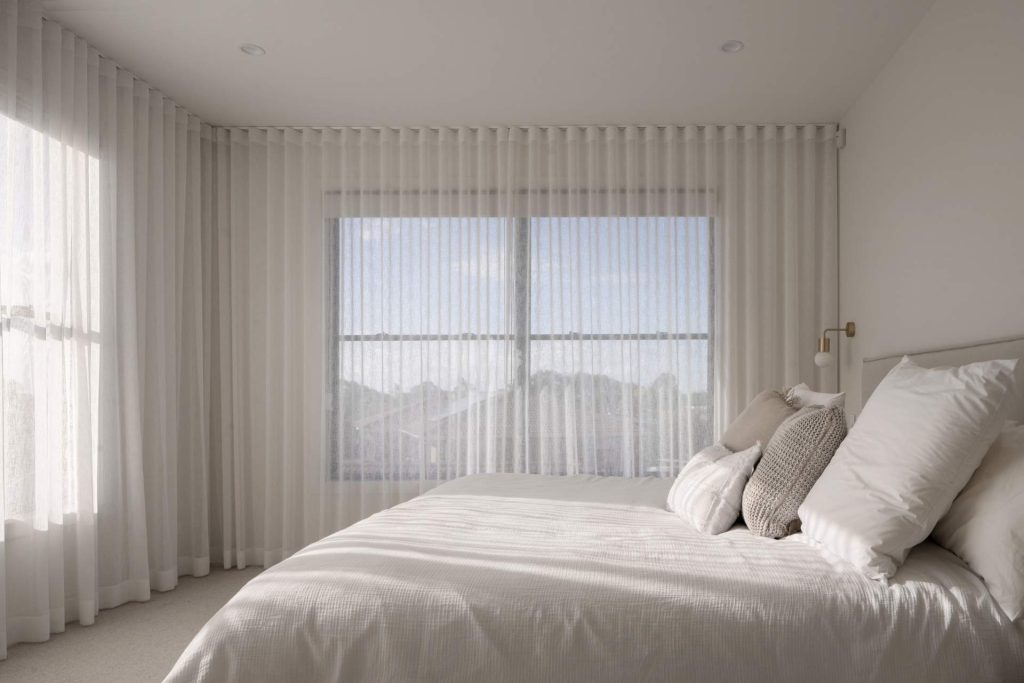
Dress Fabrics Can Be Used To Give A Unique Look To Curtains Customized
Although curtain fabrics are large however, they work within certain parameters: durability, weight, and light management. It's not an easy substitution, but a creative act to make use of dress fabrics for curtains that are custom-made. The crossover makes use of the color patterns, delicate palettes and fluid drape of garment fabrics to give windows an ethereal character that is unattainable in conventional collections for furnishing. It's not a straightforward and risk-free choice. It requires an in-depth understanding of material science, creative construction, as well as strategically sourcing. This guide will provide ten key tips to aid you in turning a dress fabric into drapery. It can be used to turn a decor error, like the silks of a Lichfield store, into an elegant interior design.
The Top 10 Things You Should Be Educated About:
1. Dress Fabric as a Component and not an independent.
The principal rule is that dress fabric alone is rarely sufficient for the purpose of a curtain. Its primary role becomes the exquisite "face." It has to be married with a concealed architecture. It is then covered with an unidirectional, strong calico, a technique known as 'underlining' (in dressmaking) for giving the dress more body and give it transparency. Then, a standard interlining and lining are placed. The three-layer sandwich of fabric is able to hold together lighter, more flexible fabrics and helps prevent tension at the seams. It permits it to be hung with the authority that furniture textiles can. A curtain maker familiar with this technique is essential; many in Walsall or Birmingham's workrooms might hesitate, but a Lichfield-recommended artisan, versed in delicate cloth, will understand.
2. Sunlight and Sanctuary Test - The windows you choose to focus on are facing to the north or have a low amount of light.
The most effective applications can be found in rooms where fabric is protected from intense and long-lasting sun. Ideal applications include a northward-facing reading area or bedroom with shaded window. A delicate silk taffeta, or printed viscose on a south facing bay window will result in a heartbreaking and rapid fibre loss. It is crucial to think about the geographic place of your project before you visit a shop for fabric. The search can be narrowed down to "any fabric" and then to "a fabric that will work in a safe zone".
3. The Lichfield Loophole.
That's why Lichfield's textile shops can be a prime hunter's ground. Fabrics of high quality are often sold as 3 - 5 meters of bolt ends. These aren't enough to make a gown however, they're ideal to make cafe curtains or a statement window. The remnants are available in European mills and designers such as Liberty. They have exclusive fabrics that feature premium patterns at an affordable price. The limited metreage calls for some more imaginative applications - perhaps a dressing room skirt or canopy, instead of full-length curtain panels for your drawing room - which often produces the most stunning results.
4. The Width Mismatch calculation: accepting seams as an element of design.
Dress fabric is as long as 115cm (or 140cm) and is a bit narrower than standard curtain fabric (137cm (15cm). If you want to achieve the fullness you desire, then you'll require greater vertical stitching. Instead of hiding them you can make them an element. Use a contrasting fabric (sourced from Lichfield’s exquisite hatsheries) to sew into each seam. Also, you can put an upholstery band vertically down every joint. This transforms a practical necessity into an elegant styled look inspired by couture, and echoes the slender edges of a tailored suit.
5. The "Upholstery Fabric" Partnership: Creating a Coherent Hybrid.
Pure fabric curtains for dress can feel whimsical; the combination of them with upholstery fabric provides a base for the design. Utilize the dress fabric to highlight the curtains. A gathered border, a leading edge that contrasts, or an layered pelmet may be placed over solid heavyweight fabrics. The dress fabric is able to be utilized in a tiny amount (a metre of two in Birmingham's Rag Market), and you'll still have the light-blocking and thermal mass qualities of a fabric for furnishing. It creates an interesting dialogue between the delicate, and the substantial.
6. The Formal to Fluid Spectrum Achieving the right fabric type for Curtain Style.
Not all drapery styles are appropriate to all types of fabrics. Check the intended use of the garment with the curtain's function. Dupion silks, or brocades that are structured that are designed for formal wear are perfect for flat-pleated tailored curtains with sharp, defined lines. Fluid crepe de Chine or jersey, designed for flowing dresses, are ideal for loosely-gathered "puddled" natural drape curtains. In Birmingham vendors, they may only see fabric by the metre. But in Lichfield it is possible to talk about the "drape coefficient" and how it impacts the design and header of the curtain.
7. The Care Cycle Conundrum - Planning for Delicate Maintenance
Custom-made curtains constructed from dress fabric are not just a "set and forget" product. Cleaning and maintenance are part of their story. It is possible to steam instead of washing them, make use of a soft vacuum with a brush attachment or rotate the furniture seasonally in order to equalize the light exposure. This decision must be deliberate right from the beginning. When you're sourcing, be sure to ask about cleaning. The Walsall boutique might give advice on practicality. However it is a Lichfield store will emphasize the natural patina and look of linens, silks, and other fabrics.
8. The Birmingham Market Foray: Seeking Out Theatrical as well as Heavier Clothes Cloth.
Birmingham's markets aren't just known for their bulk as well as the types of fabrics they offer for theatrical, historical reenactment, and costumes. Here you will find fabrics that are heavier and more durable, like velvets designed to be used in coats and cloaks and heavy woolen twills, or nets that are heavily embroidered. They are durable, have the body, and weight required to make curtains. The Birmingham journey becomes a treasure hunt for dresses that are unusually sturdy.
9. The Harmony Between Top Treatment and Header Hardware The Best Top Treatment.
The curtain's head must complement the fabric's character. A large, rigid pinch pleat will cause damage to delicate chiffon. Pick a simple, gathered head on a short pole or opt for a hidden top tab for an airy effect. If you are looking for a more substantial dress jacquard, a classic pleat on a wood pole will give the proper formality. This decision is best made in consultation with your maker prior to finalizing the fabric selection, as it can affect cut length as well as stress points. Walsall might use the standard tape, but you'll need to steer them towards a superior quality finish.
10. The Narrative Integration: Let your story's story dictate the mood of the room.
In the end, it's an issue of narrative. The bright African wax-print fabric that was used to create this curtain (found at some Birmingham markets) tells the story of color and energy all over the world. The linen curtains fashioned from pieces of the Lichfield summer dress are a perfect example of breezy rural style. This style goes beyond mere decor. Window treatments must have meaning. They transform a screen screen to a portrait.